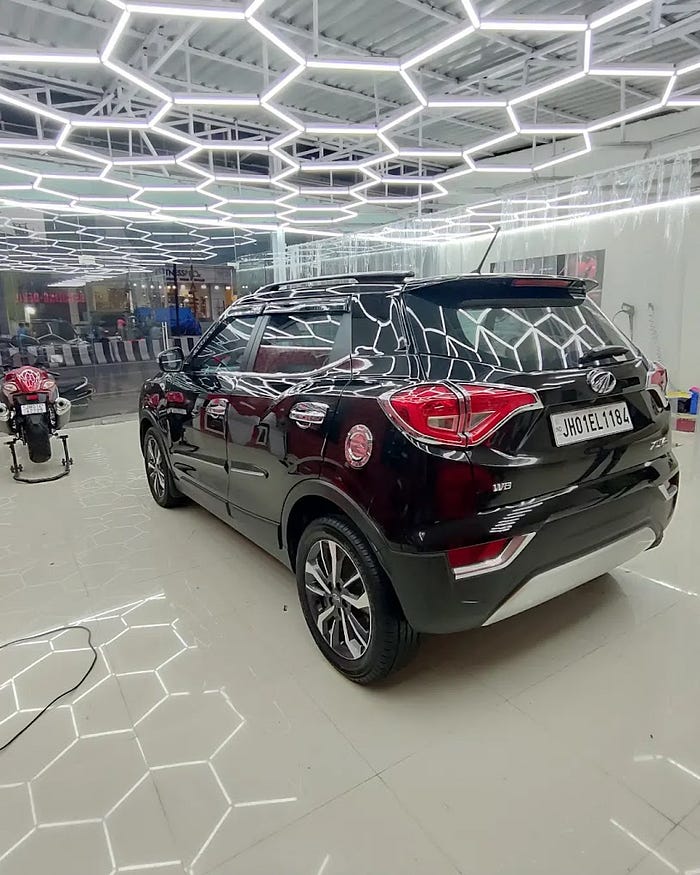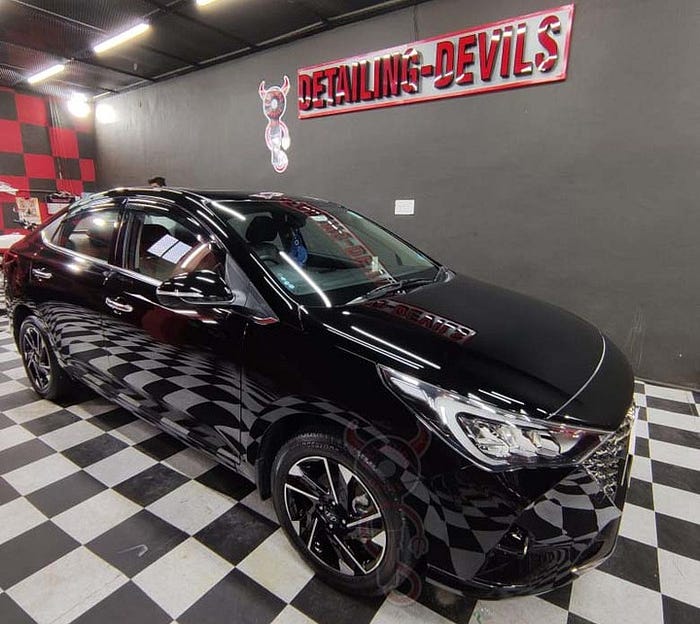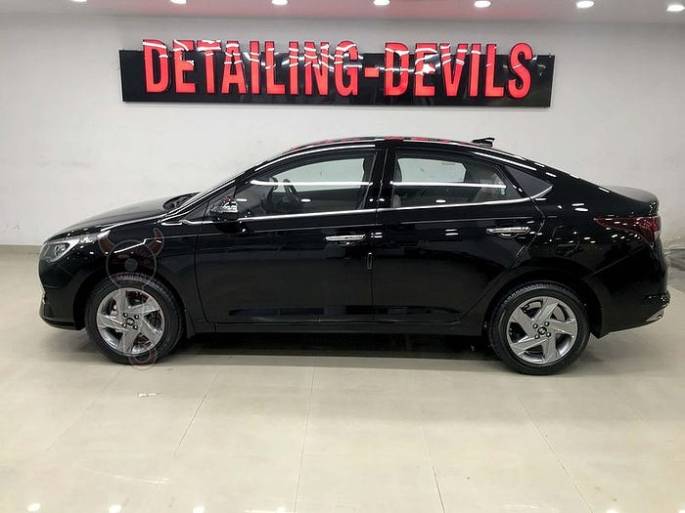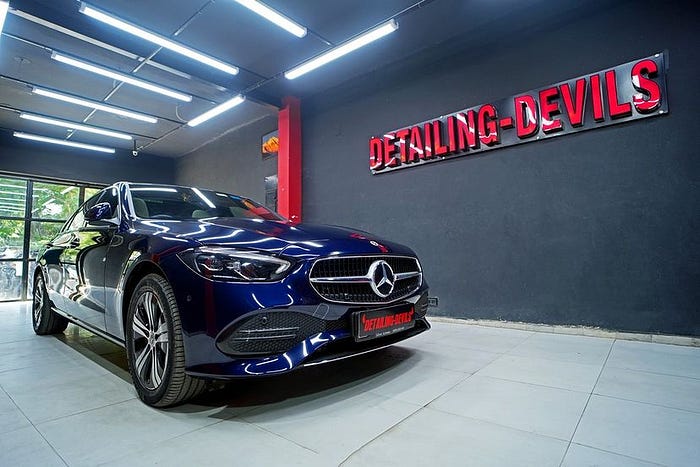
Unleashing Brilliance: Decoding the Mysteries of Ceramic Coating for Cars

As car aficionados, we’re all in pursuit of the perfect blend of aesthetics and protection for our cherished vehicles. In the realm of automotive detailing, ceramic coating has emerged as a star player, promising a dazzling finish and unmatched protection. In this blog post, we’ll explore the intricacies of ceramic coating, ponder over its worth, and delve into the differences between ceramic coating and its advanced counterpart, graphene coating. Join us on this journey as we navigate the road to automotive brilliance on DetailingDevils.com.

The Power of Ceramic Coating

1. Is Ceramic Coating Worth It?

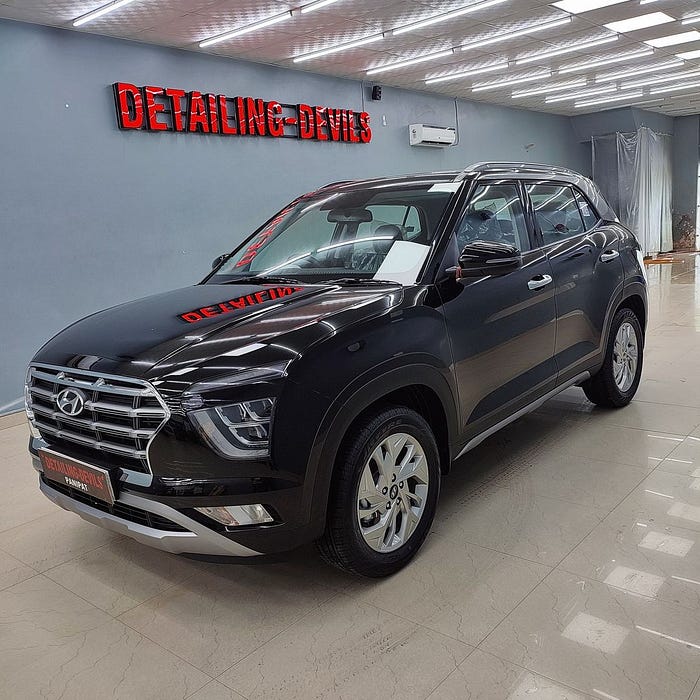
  • Absolutely! Ceramic coating is worth every penny, providing a robust shield against environmental contaminants, UV rays, and scratches. It enhances the car’s gloss and simplifies maintenance, making it a worthwhile investment.

2. Ceramic Coating for Cars: Unveiling the Magic

  • Ceramic coating is a liquid polymer that chemically bonds with the car’s factory paint, forming a protective layer. This layer not only adds a glossy finish but also repels dirt, water, and contaminants.

3. Graphene Coating vs. Ceramic Coating: The Showdown

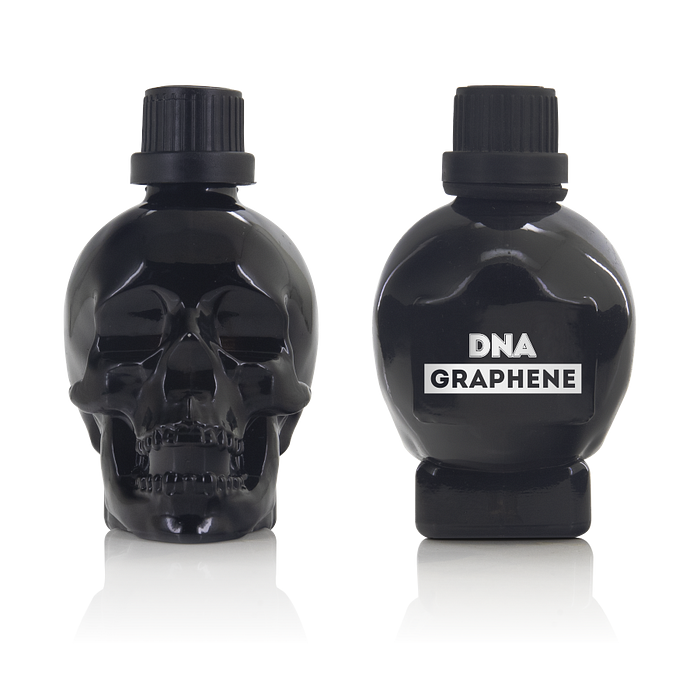
  • Graphene coating is the new kid on the block, offering enhanced durability and heat resistance compared to ceramic coating. While both provide excellent protection, graphene coating takes it up a notch with its advanced properties.

4. Disadvantages of Ceramic Coating: Separating Myth from Reality

  • While ceramic coating is a game-changer, it’s essential to note that it’s not entirely scratch-proof. Additionally, professional application is recommended for optimal results, and it may not prevent all types of damage.

5. Ceramic Coating vs. Graphene Coating: Choosing the Best for Your Car

  • The choice between ceramic and graphene coating depends on your preferences and budget. Ceramic coating is a well-established option, while graphene coating offers advanced technology for those seeking the cutting edge.

Conclusion:

Ceramic coating stands as a testament to the evolution of automotive detailing, providing a protective shield that elevates your car’s aesthetics. So, is ceramic coating worth it? Without a doubt. As you explore the world of ceramic coating and its innovative cousin graphene coating, remember to consider your car’s unique needs and your desired level of protection. For expert advice and top-tier detailing services, visit DetailingDevils.com – where automotive brilliance begins.

Detailing Devils – Elevate Your Car’s Aesthetics with Ceramic Coating Excellence!

See Also :

What are Graphene Coatings? Exploring the Revolutionary Thin Layers Redefining Material Performance

In the realm of material science, graphene has emerged as a titan, boasting remarkable properties that challenge conventional understandings of materials. Among its many applications, graphene coatings stand out as a transformative innovation with vast potential across various industries. This thin layer of graphene, just one atom thick, holds promise for revolutionizing everything from electronics to medicine, owing to its exceptional strength, conductivity, and versatility.

What is Graphene?

Graphene, a two-dimensional carbon allotrope, forms a hexagonal lattice structure, resembling chicken wire at a microscopic level. It is incredibly lightweight, yet possesses unparalleled strength — around 200 times stronger than steel by weight. Moreover, its exceptional electrical and thermal conductivity sets it apart from other materials. Discovered in 2004, researchers Andre Geim and Konstantin Novoselov earned a Nobel Prize for their groundbreaking work on this wonder material.

Understanding Graphene Coating

Graphene coating involves the application of a thin layer of graphene onto various surfaces, transforming their properties. This process enhances durability, conductivity, and barrier capabilities, offering a plethora of benefits across multiple industries.

Properties and Advantages

  1. Strength and Durability: Graphene coatings reinforce surfaces, making them highly resistant to wear, corrosion, and impact, thereby extending the lifespan of products.
  2. Conductivity: The exceptional electrical conductivity of graphene coatings enhances the performance of electronic devices, leading to faster and more efficient circuits.
  3. Barrier Properties: Graphene coatings create impermeable barriers, preventing the penetration of gases and liquids. This property finds applications in packaging, preventing spoilage, and even in biomedical devices.

Applications Across Industries

  1. Electronics: Graphene-coated conductors enable faster and more efficient electronic devices, including flexible screens, batteries, and sensors.
  2. Automotive: Coating car bodies with graphene enhances their durability and resistance to environmental factors, reducing maintenance needs.
  3. Medical: In the medical field, graphene coatings on implants offer biocompatibility, reducing rejection risks and enhancing the longevity of medical devices.

Graphene coating faces several challenges in its wide-scale implementation. Some of the main challenges include:

  1. Cost-effectiveness: The production of high-quality graphene at a large scale is still expensive. Finding cost-effective methods for synthesis and application of graphene coatings is vital for their commercial viability.
  2. Scalability: While researchers have successfully developed graphene coatings in laboratories, scaling up the production process to meet industrial demands remains a challenge. Enhancing the scalability of graphene coating production is crucial for its widespread adoption.
  3. Durability and Longevity: Graphene coatings need to withstand mechanical stress, temperature variations, and chemical exposure over an extended period. Ensuring the durability and longevity of graphene coatings is essential for their effective use in real-world applications.
  4. Adhesion: Achieving a strong and consistent adhesion of graphene coatings to various substrates is a significant challenge. Improving the adhesion properties will enhance the reliability and performance of graphene coating applications.
  5. Standardization and Regulations: Establishing industry standards and regulations for graphene coatings is necessary to ensure safety, quality control, and compatibility with existing products and materials. Developing guidelines and certifications will facilitate the integration of graphene coatings in various sectors without compromising safety.

Despite these challenges, graphene coatings possess immense potential and have promising future prospects. Mitigating these challenges through ongoing research and development efforts will unlock new opportunities for graphene coatings in various fields, such as electronics, energy storage, aerospace, and healthcare. The unique properties of graphene, including its exceptional conductivity, strength, and flexibility, make it a transformative material with vast applications in the years to come.

Despite its immense potential, widespread adoption of graphene coatings faces challenges related to scalability, cost-effectiveness, and large-scale production. Researchers and companies continue to explore innovative manufacturing techniques to overcome these hurdles.

The future of graphene coatings appears promising, with ongoing research focusing on improving production methods, exploring new applications, and creating hybrid materials that combine the strengths of graphene with other substances.

Conclusion

Graphene coatings represent a paradigm shift in material science, offering a myriad of possibilities across various sectors. While challenges persist, the remarkable properties of graphene continue to inspire researchers and industries alike, fueling the quest for innovative solutions and applications.

As this wonder material continues to evolve, its integration into everyday products may soon become a reality, unlocking a new era of efficiency, durability, and innovation.

See Also:

Unleashing the Power of Dragon PPF: Your Ultimate Paint Protection Solution

In a world where every drive exposes your vehicle’s precious paintwork to the elements, a reliable defense is essential. Enter Detailing Devils, your trusted partner in automotive care. With an unwavering commitment to preserving your vehicle’s beauty, we proudly present our premium Paint Protection Film (PPF) service, featuring the formidable Dragon PPF. This cutting-edge product not only shields your vehicle from the rigors of daily life but also enhances its aesthetic appeal. Let’s delve into the world of Dragon PPF and discover how it can revolutionize your vehicle’s protection.

The Dragon PPF Difference

When it comes to safeguarding your vehicle, not all PPFs are created equal. Dragon PPF stands out as an industry-leading solution, meticulously designed to provide superior protection against road debris, stone chips, bug splatter, bird droppings, and harmful UV rays. Crafted with advanced technology and precision engineering, Dragon PPF offers a level of clarity that ensures your vehicle’s natural beauty shines through, uninterrupted.

Uncompromising Durability

Detailing Devils understands the demands of modern driving, which is why Dragon PPF is engineered to withstand the harshest conditions. Its high-quality, self-healing topcoat ensures that minor scratches and swirl marks vanish over time, maintaining a flawless finish. Say goodbye to the worry of unsightly blemishes and hello to a vehicle that looks showroom-ready, day in and day out.

Seamless Installation Expertise

A flawless PPF installation is crucial for optimal performance, and Detailing Devils boasts a team of skilled technicians who are masters in their craft. Using precision-cut templates and industry-best practices, we ensure that Dragon PPF seamlessly adheres to every contour of your vehicle, leaving no room for imperfections. The result? A virtually invisible layer of protection that blends seamlessly with your vehicle’s original finish.

Aesthetic Excellence

While Dragon PPF excels in protection, it also elevates your vehicle’s aesthetic appeal. Its crystal-clear finish allows the true color and brilliance of your vehicle’s paint to shine through, creating a visual masterpiece that turns heads on the road. Say goodbye to unsightly bra lines or a dull finish — with Dragon PPF, your vehicle exudes an unparalleled radiance.

Longevity and Warranty

Detailing Devils is committed to providing products and services that stand the test of time. With Dragon PPF, you’re not just investing in immediate protection, but in the long-term well-being of your vehicle. Backed by a comprehensive warranty, you can drive with confidence, knowing that your investment is safeguarded.

Conclusion

Detailing Devils’ Dragon PPF is more than just a protective film — it’s a testament to our dedication to excellence. With its cutting-edge technology, durability, and aesthetic prowess, Dragon PPF ensures that your vehicle remains a source of pride for years to come. Trust Detailing Devils for the ultimate in automotive care, and experience the difference that Dragon PPF makes on the road. Visit our website at detailingdevils.com to explore our range of services and unleash the power of Dragon PPF today.

See Also:

Unveiling the Art of Automotive Preservation: PPF Coating Services by Detailing Devils

In the fast-paced world of automotive enthusiasts, preserving the showroom shine of a beloved vehicle is a priority. From gravel-chipped highways to the harsh elements of nature, a car’s exterior can face a barrage of challenges.

This is where Paint Protection Film (PPF) services come into play. Among the many names in the industry, Detailing Devils stands out as a beacon of excellence. With a commitment to perfection and a passion for automotive aesthetics, Detailing Devils has earned a reputation for providing top-notch PPF coating services that elevate the longevity and allure of every vehicle they touch.

The Science behind PPF Coating

Detailing Devils’ PPF coating services are backed by cutting-edge technology and a deep understanding of automotive materials. Paint Protection Film is a clear, polyurethane-based film that is meticulously applied to a vehicle’s exterior.

This transparent shield acts as a barrier against road debris, stone chips, bug splatter, and other environmental hazards, ensuring the underlying paint remains flawless. By adhering seamlessly to the vehicle’s contours, PPF maintains the original aesthetics while providing unparalleled protection.

Uncompromising Quality Standards

Detailing Devils takes pride in its unwavering commitment to quality. The team of skilled technicians undergoes rigorous training, ensuring precision and attention to detail in every application.

Only the highest-grade PPF materials are used, sourced from reputable manufacturers known for their durability and clarity. This dedication to quality ensures that each vehicle receives a PPF coating that not only enhances its appearance but also guards it against the elements for years to come.

Tailored Solutions for Every Vehicle

Every vehicle is unique, and Detailing Devils recognizes this diversity. Whether it’s a sleek sports car, a rugged off-roader, or a luxurious sedan, the PPF experts at Detailing Devils assess the specific needs and characteristics of each vehicle before recommending a tailored solution. This customized approach ensures that every inch of the vehicle’s surface is protected, leaving no room for compromise.

Beyond Protection: Enhancing Aesthetics

Detailing Devils’ expertise goes beyond safeguarding against external elements. The PPF coating also enhances the visual appeal of the vehicle. The high-gloss finish of the film enriches the depth and clarity of the underlying paint, giving the vehicle a stunning, mirror-like finish. This dual-purpose functionality makes Detailing Devils a standout choice for automotive enthusiasts who demand both protection and aesthetics.

Conclusion:

Detailing Devils’ Dragon PPF is more than just a protective film — it’s a testament to our dedication to excellence. With its cutting-edge technology, durability, and aesthetic prowess, Dragon PPF ensures that your vehicle remains a source of pride for years to come. Trust Detailing Devils for the ultimate in automotive care, and experience the difference that Dragon PPF makes on the road. Visit our website at detailingdevils.com to explore our range of services and unleash the power of Dragon PPF today.

See Also:

A Comprehensive Guide To Dashboard Warning Lights

Dashboard warning lights serve as the communication bridge between your vehicle and you, alerting you to potential issues that require your attention. While these lights may vary in appearance and meaning, they all share a common purpose: to keep you informed about the health of your vehicle. In this guide, we’ll delve into the significance of various dashboard warning lights, empowering you with the knowledge needed for safer and more efficient driving.

1. Check Engine Light

  • Symbol: Engine outline, often accompanied by “CHECK” or “SERVICE ENGINE SOON.”
  • Meaning: The check engine light is a general indicator of a problem with the engine or emissions system. It can range from minor issues like a loose gas cap to more complex problems that require immediate attention.

2. Oil Pressure Warning Light

  • Symbol: Depicts an oil can or dripping oil.
  • Meaning: This light indicates low oil pressure. Insufficient oil pressure can lead to severe engine damage, making it crucial to address this warning promptly.

3. Battery/Charging Alert

  • Symbol: Battery icon.
  • Meaning: The battery warning light signifies a problem with the charging system. This could be a failing battery, alternator, or related components, and it’s essential to investigate this issue promptly.

4. Coolant Temperature Warning Light

  • Symbol: Thermometer or waves, indicating heat.
  • Meaning: This light signals that the engine is operating at an elevated temperature. Possible causes include a coolant leak, a malfunctioning thermostat, or a failing radiator, all of which necessitate immediate attention.

5. Brake System Warning Light

  • Symbol: An exclamation mark inside a circle, sometimes accompanied by “BRAKE.”
  • Meaning: This light alerts you to an issue within the braking system. Whether it’s low brake fluid, worn brake pads, or a more serious brake system malfunction, addressing this promptly is paramount for your safety.

6. ABS Warning Light

  • Symbol: “ABS” inside a circle.
  • Meaning: The ABS warning light indicates a problem with the Anti-lock Braking System. This system plays a crucial role in preventing skids during hard stops, so any issues should be addressed promptly.

7. Airbag Warning Light

  • Symbol: A figure seated with a large circle in front (representing an airbag).
  • Meaning: This light warns of a potential issue with the airbag system. If illuminated, the airbags may not deploy as expected in the event of an accident, necessitating immediate attention.

8. Tire Pressure Monitoring System (TPMS) Light

  • Symbol: A tire with an exclamation point.
  • Meaning: The TPMS light indicates that one or more tires have low pressure. Proper tire pressure is crucial for both safety and fuel efficiency, making this a warning not to be ignored.

Conclusion

Familiarizing yourself with these dashboard warning lights is an investment in the longevity and safety of your vehicle. Should any of these lights illuminate, consult your vehicle’s owner’s manual or seek professional assistance promptly. Remember, timely attention to warning lights can prevent minor issues from escalating into major and costly problems down the road. Drive safe!

See Also:

How to Choose Between Teflon, Ceramic, and PPF Coatings for Your Car

When it comes to safeguarding your beloved car’s exterior, choosing the right coating is paramount. Teflon, Ceramic, and PPF (Paint Protection Film) coatings are three popular options, each with its unique benefits. In this guide, we’ll delve into the intricacies of each type, helping you make an informed decision for your prized possession.

Understanding Teflon Coatings

Teflon, known for its non-stick properties, has also found its way into the automotive industry. It creates a protective layer on your car’s surface, repelling water, dirt, and contaminants. Here are the key considerations:

Application Process and Durability

Teflon coatings are typically applied as a spray-on formula. While they offer decent protection, they may require more frequent reapplication compared to other options.

Water Repellency and Ease of Cleaning

One of Teflon’s main advantages is its exceptional water repellency. This means rainwater and other liquids bead up and roll off effortlessly, making cleaning a breeze.

Cost-Effectiveness

Teflon coatings tend to be more budget-friendly upfront. However, factor in the need for occasional reapplication to get a comprehensive cost picture.

Exploring Ceramic Coatings

Ceramic coatings have gained popularity for their robust and long-lasting protection. They form a semi-permanent bond with the car’s surface, offering unparalleled resilience. Here’s what you need to know:

Application Process and Durability

Application of ceramic coatings involves meticulous preparation and a curing period. Once applied, they can last for several years, providing a high level of protection against environmental factors.

Hydrophobic Properties and Gloss Enhancement

Ceramic coatings exhibit outstanding hydrophobic properties, ensuring water and contaminants slide off effortlessly. Additionally, they enhance the car’s gloss, giving it a showroom-like finish.

Long-Term Cost Considerations

Although the initial investment for a ceramic coating may be higher, its longevity and superior protection make it a cost-effective choice over time.

Unveiling Paint Protection Film (PPF)

PPF, a transparent polyurethane film, is the pinnacle of paint protection. It acts as an invisible shield against a wide range of potential damages. Let’s delve into its attributes:

Application Process and Durability

Installing PPF requires expertise and precision, as it’s meticulously fitted to cover the entire car’s surface. Once in place, it offers unrivaled protection against rock chips, scratches, and even minor dents.

Clarity and Self-Healing Properties

Unlike some coatings, PPF is virtually invisible. It allows the car’s original color and finish to shine through. Furthermore, it possesses self-healing properties, mending minor scratches with exposure to heat.

Long-Term Investment and Comprehensive Protection

While PPF comes with a higher initial cost, it provides comprehensive protection, maintaining the car’s resale value and ensuring it looks pristine for years to come.

Making Your Decision

Selecting the right coating depends on your preferences, budget, and desired level of protection. Consider the following factors:

  • Budget Constraints: If you’re working within a tight budget, Teflon coatings offer a cost-effective solution.
  • Long-Term Investment: For those seeking unparalleled protection, Ceramic and PPF coatings prove to be valuable long-term investments.
  • Aesthetic Preferences: If you prefer an invisible shield, PPF ensures your car’s original look remains intact.

Remember, regular maintenance is key, regardless of the coating you choose. Wash your car with gentle, pH-neutral soaps and avoid abrasive materials.

Conclusion

In the quest for the ideal coating, it’s crucial to weigh the pros and cons of Teflon, Ceramic, and PPF options. Each provides a unique set of benefits, catering to different needs and preferences. Whether you opt for the budget-friendly Teflon, the long-lasting Ceramic, or the ultimate protection of PPF, your car’s exterior will thank you for the care and attention.

FAQs

1. How often should I reapply Teflon coating?

Teflon coatings typically last between 6 to 12 months. Consider reapplication every year for optimal protection.

2. Can I apply a ceramic coating on top of PPF?

Yes, applying a ceramic coating on top of PPF can provide additional gloss and hydrophobic properties.

3. Will PPF affect the color of my car?

No, PPF is transparent and does not alter the color or finish of your car.

4. Can I wax my car after applying a coating?

While it’s not necessary, you can apply a non-abrasive, wax-free spray sealant for added shine and protection.

1. Is professional installation of PPF recommended?

See Also:

The Revolutionary Brilliance of Ceramic Coating: Unveiling the Ultimate Car Protection

In the fast-paced world of automotive advancements, maintaining the aesthetic appeal of our prized vehicles has become more critical than ever before. As car enthusiasts seek innovative solutions to protect their investments, one technology has risen to the forefront — ceramic coating. The revolutionary brilliance of ceramic coating has transformed the way we protect and preserve our vehicles, offering unparalleled benefits that go beyond traditional methods. In this comprehensive article, we will delve into the world of ceramic coatings, exploring their origins, highlighting their advantages, and understanding why they have become the ultimate choice for car protection.

The Evolution of Ceramic Coating

Origins and Development

Ceramic coatings, also known as nano-ceramic coatings or glass coatings, have their origins in the aerospace and industrial sectors. Developed initially to protect spacecraft from extreme atmospheric conditions, the technology evolved into the automotive industry as a premium paint protection solution. The early formulations of ceramic coatings were primarily used by high-end automotive manufacturers and luxury car dealerships to provide an unparalleled shine and protection to their exclusive clientele. However, advancements in technology and increased accessibility have now made ceramic coatings available to the wider automotive market.

The Science Behind Ceramic Coating

At the heart of ceramic coatings lies nanotechnology, where tiny particles form a protective bond with the vehicle’s paint surface. These nanoparticles create a hydrophobic, semi-permanent layer that repels water, contaminants, and UV rays. The chemical composition of ceramic coatings ensures that they are highly resistant to environmental pollutants, bird droppings, tree sap, and harsh chemicals, preserving the vehicle’s paint from oxidation and fading.

The Advantages of Ceramic Coating

Unmatched Protection

The primary advantage of ceramic coating is its ability to provide unmatched protection to a vehicle’s paintwork. The hydrophobic nature of the coating repels water, preventing the formation of water spots and the accumulation of dirt and grime. Additionally, the strong chemical bond formed by ceramic coatings ensures long-term protection against harsh environmental elements, road salt, and industrial fallout, reducing the risk of paint damage and corrosion.

Enhanced Aesthetic Appeal

Ceramic coatings are renowned for their ability to enhance a vehicle’s aesthetic appeal dramatically. The nano-level smoothness of the coating results in a deep, mirror-like shine that surpasses conventional waxing or polishing methods. The high-gloss finish not only looks visually stunning but also adds to the resale value of the vehicle, attracting potential buyers with its showroom-like appearance.

Cost-Effectiveness in the Long Run

While ceramic coatings may require a higher initial investment compared to traditional waxing, their long-term cost-effectiveness cannot be underestimated. The semi-permanent nature of ceramic coatings means that they can last for years with proper maintenance. Unlike wax or sealants, which require frequent reapplication, a well-maintained ceramic coating can provide continuous protection for up to five years or more, significantly reducing the need for repeated expenses.

Time-Saving Benefits

Traditional methods of waxing and polishing demand regular application and meticulous maintenance. In contrast, ceramic coatings drastically reduce the time and effort required for vehicle upkeep. The hydrophobic properties ensure that dirt and contaminants do not adhere as strongly to the surface, making cleaning a breeze. Moreover, the elimination of waxing sessions saves valuable time for car owners, allowing them to focus on other aspects of their busy lives.

Application and Maintenance

Professional Application Process

While there are DIY ceramic coating kits available, it is highly recommended to opt for professional application services. Trained technicians have the expertise and equipment to ensure a flawless and even application of the ceramic coating, maximizing its protective capabilities.

Preparing the Surface

Before the application of the ceramic coating, the vehicle’s surface needs to be thoroughly cleaned and decontaminated to achieve optimal bonding. This step involves paint correction to remove swirl marks, scratches, and other imperfections, allowing the coating to adhere better and create a seamless finish.

Post-Application Care

After the ceramic coating is applied, the vehicle requires minimal maintenance. Avoiding harsh chemicals, using pH-neutral car wash solutions, and regular rinsing can ensure the longevity of the coating’s hydrophobic properties. Periodic inspections and touch-ups by professionals can also help maintain the coating’s effectiveness.

Debunking Misconceptions

Despite the numerous benefits, there are some misconceptions surrounding ceramic coatings that need clarification. One such belief is that ceramic coatings make the vehicle scratch-proof, which is not entirely accurate. While ceramic coatings offer excellent scratch resistance, they cannot prevent all types of scratches, especially those caused by sharp or heavy objects.

Conclusion

Ceramic coating has emerged as a game-changer in the automotive industry, revolutionizing the way we protect and preserve our vehicles. With unmatched protection, enhanced aesthetic appeal, cost-effectiveness, and time-saving benefits, it has quickly become the ultimate choice for car enthusiasts and professionals alike. As technology continues to advance, we can expect even more breakthroughs in the world of ceramic coatings, further elevating the brilliance of this remarkable automotive innovation. For car owners seeking a reliable and long-lasting solution for their vehicle’s protection, ceramic coating undoubtedly remains the gold standard in car care.

See Also:

The Ultimate Guide to Car Coating: Enhancing Your Vehicle’s Shine and Protection

Owning a car is a significant investment, and ensuring its long-lasting beauty and performance is essential for any automobile enthusiast. Car coating, also known as ceramic coating or nano-coating, has emerged as a revolutionary solution to protect vehicles from various environmental elements, maintain their shine, and improve their overall appearance. In this comprehensive guide, we will delve into the world of car coating, exploring its benefits, application process, types, and maintenance tips. Whether you are a seasoned car enthusiast or a new car owner, read on to discover how car coating can revolutionize the way you care for your vehicle.

Understanding Car Coating: What is it?

Car coating, also referred to as ceramic coating, is a liquid polymer applied to the exterior of a vehicle’s paintwork. The nano-coating chemically bonds with the factory paint, creating a protective and transparent layer. This layer serves as a shield against UV rays, bird droppings, tree sap, dirt, road salts, and other contaminants that can damage the paint over time. Unlike traditional waxing or sealants, car coating provides a long-lasting and durable protection that can last for several years.

Advantages of Car Coating: Why Should You Consider It?

  • Enhanced Protection: Car coating offers a high level of protection against various environmental elements, preventing oxidation, fading, and damage to the paintwork.
  • Scratch Resistance: The hard and resilient nature of car coating makes the paintwork more scratch-resistant, reducing the risk of surface scratches caused by accidental brushes or small debris.
  • UV Ray Protection: Prolonged exposure to the sun’s harmful UV rays can cause paint fading and damage. Car coating acts as a shield against UV rays, preserving the paint’s vibrant color for longer periods.
  • Hydrophobic Properties: Car coating provides hydrophobic properties, making water and other liquids bead up and roll off the surface easily. This feature allows for easy cleaning and maintenance.
  • Chemical Resistance: The coating’s chemical resistance makes it effective against acidic contaminants, preventing etching and damage to the paint.
  • Enhanced Gloss and Shine: Car coating enhances the depth and gloss of the paint, giving the vehicle a showroom-like finish that lasts for years.

Types of Car Coatings: Choosing the Right One

· Professional-grade Ceramic Coatings: Offered by detailing professionals, these coatings provide the highest level of protection and durability. They typically require meticulous preparation and application processes and can last up to five years or more.

· Consumer-grade Ceramic Coatings: Designed for DIY application, these coatings are readily available in the market. They offer good protection and can last up to two years with proper maintenance.

· Graphene Coatings: An advanced form of ceramic coating that incorporates graphene nanotechnology, providing even greater protection and water repellency.

· Silica-based Coatings: Commonly used consumer-grade coatings, silica-based options provide good protection and can be applied with relative ease.

The Car Coating Application Process: DIY or Professional?

  • DIY Application: Applying car coating on your own can be cost-effective and satisfying. However, it requires meticulous preparation, including thorough washing, decontamination, and paint correction, to ensure the best results. Following the manufacturer’s instructions is crucial for proper application.
  • Professional Application: Seeking the services of a professional detailing expert ensures a flawless and long-lasting coating. Professionals have the experience, tools, and expertise to handle all aspects of the application process, providing a superior finish.

Car Coating Maintenance: Tips for Longevity

  • Regular Washing: Regularly wash your coated vehicle using a pH-balanced car shampoo and a soft microfiber wash mitt to avoid scratching the surface.
  • Avoid Automatic Car Washes: Automated car washes with harsh brushes can damage the coating. Opt for hand washing or touchless car washes instead.
  • Use Proper Drying Techniques: Avoid air-drying the car, as water spots can form. Use a high-quality microfiber towel or a drying aid to gently dry the surface.
  • Avoid Harsh Chemicals: Stay away from harsh detergents, solvents, or acidic cleaners that can degrade the coating’s effectiveness.
  • Regular Inspection: Periodically inspect the coating for any signs of wear or damage. Spot-treat affected areas to maintain the coating’s integrity.
  • Professional Maintenance: Consider getting your vehicle professionally inspected and maintained by detailing experts to ensure the coating remains in top-notch condition.

Conclusion:

Car coating has revolutionized the automotive care industry, offering vehicle owners a long-lasting solution for protection and enhanced aesthetics. By understanding the benefits, types, application process, and maintenance tips, you can make an informed decision about which car coating option is best suited for your needs. Whether you choose a professional-grade ceramic coating or a consumer-grade option, one thing is certain — car coating will elevate your car’s appearance and safeguard its beauty for years to come. Invest in the future of your vehicle and experience the transformative power of car coating today.

See Also:

The Rise of Ceramic Coatings in India’s Automotive Industry | Detailing Devils

Introduction:

In recent years, the automotive industry in India has witnessed a remarkable technological transformation. Among the many advancements, the rise of ceramic coatings has been a game-changer for car enthusiasts and manufacturers alike. Ceramic coatings, known for their unparalleled protection and glossy finish, have gained significant traction in the Indian automotive market. This article explores the growing popularity of ceramic coatings, their benefits, and their impact on India’s automotive industry.

Understanding Ceramic Coatings

Ceramic coatings are advanced chemical formulations designed to protect a vehicle’s exterior surfaces. These coatings create a semi-permanent bond with the car’s paint, forming a durable, hydrophobic layer that repels water, dirt, and contaminants. Unlike traditional waxes or sealants, ceramic coatings provide long-lasting protection and enhance the paint’s overall appearance.

The Advantages of Ceramic Coatings

  • Unmatched Protection: Ceramic coatings act as a sacrificial layer, shielding the car’s paint from UV rays, acid rain, bird droppings, tree sap, and other environmental pollutants. This protection prevents paint fading, oxidation, and corrosion, extending the lifespan of the vehicle’s exterior.
  • Hydrophobic Properties: A key benefit of ceramic coatings is their water-repellent nature. The hydrophobic properties make water and other liquids bead up and roll off the surface, minimizing water spots and making the car easier to clean.
  • Scratch Resistance: While ceramic coatings do not make a car completely scratch-proof, they provide a higher level of scratch resistance compared to unprotected paint. This feature ensures that minor scratches and swirl marks are less likely to occur during regular washing and maintenance.
  • Easy Maintenance: Ceramic coatings reduce the need for constant waxing and polishing, making car maintenance significantly easier and less time-consuming. The slick surface prevents dirt and grime from adhering to the paint, simplifying the cleaning process.

Growing Popularity in India

The automotive detailing market in India has experienced tremendous growth over the past decade. Car owners have become increasingly conscious of protecting their investments and maintaining the aesthetics of their vehicles. This growing demand for high-quality protective solutions has fueled the popularity of ceramic coatings.

Furthermore, the rise of premium car segments in India, such as luxury and sports cars, has contributed to the surge in ceramic coating adoption. High-end car owners often seek products that enhance the appearance of their vehicles and offer superior protection, making ceramic coatings an ideal choice.

Impact on the Automotive Industry

  • Shifting Consumer Preferences: The rising awareness of ceramic coatings has led consumers to prioritize protective solutions when purchasing new cars or seeking aftermarket services. Automobile manufacturers have started offering ceramic coating packages as an add-on option, capitalizing on this shift in consumer preferences.
  • Booming Aftermarket Sector: The popularity of ceramic coatings has given rise to a thriving aftermarket industry. Numerous car detailing centers and professional detailing studios now offer ceramic coating services, providing a steady revenue stream for the automotive aftermarket.
  • Improved Vehicle Resale Value: Ceramic coatings help preserve a car’s exterior in pristine condition, which can significantly enhance its resale value. Potential buyers are often willing to pay a premium for a used vehicle with well-maintained paint protected by a ceramic coating.

Challenges and Future Prospects

Despite the advantages of ceramic coatings, some challenges exist in the Indian automotive industry. The cost of professional-grade ceramic coatings can be relatively high, deterring price-sensitive consumers from investing in them. Additionally, the application process requires skilled technicians, and improper application may result in suboptimal performance.

However, as the technology matures and more manufacturers enter the market, the cost of ceramic coatings is expected to decrease, making them more accessible to a broader consumer base. Furthermore, ongoing research and development may lead to improved application techniques and longer-lasting formulations, further driving the adoption of ceramic coatings.

Conclusion:

Ceramic coatings have undoubtedly revolutionized the way cars are protected and maintained in India’s automotive industry. The numerous benefits they offer, such as unparalleled protection, hydrophobic properties, and scratch resistance, have captured the attention of car enthusiasts and manufacturers alike. As consumer awareness continues to grow and technology advances, the rise of ceramic coatings is likely to reshape the automotive detailing landscape in India, setting a new standard for vehicle protection and maintenance.

See Also:

PPF Coating for Car: Protect Your Investment with the Best Paint Protection Film

Introduction: Preserving Your Car’s Pristine Exterior

Owning a car is not just a means of transportation, but a symbol of pride and accomplishment. However, the harsh realities of daily driving can quickly take a toll on your car’s paint, leaving it vulnerable to scratches, chips, and fading. This is where Paint Protection Film (PPF) comes to the rescue! In this comprehensive guide, we’ll delve into the world of PPF coating for car, exploring its benefits, application process, and why it’s the ultimate choice for preserving your vehicle’s pristine exterior.

PPF Coating for Car: What is it?

PPF coating for car, also known as clear bra or paint protection film, is a high-tech, transparent layer of polyurethane that is applied to the vehicle’s exterior surface. It acts as a shield against various environmental hazards, including road debris, stone chips, bug splatters, bird droppings, UV rays, and more. Unlike traditional automotive wax or sealants, PPF offers unrivaled protection without altering the vehicle’s appearance.

Benefits of PPF Coating for Car

PPF coating for car provides an array of benefits that make it a top choice among car enthusiasts and everyday drivers alike. Let’s explore the advantages of this cutting-edge technology:

1. Superior Protection against Physical Damage

With Dragon PPF coating, your car’s paint will be safeguarded against minor impacts, scratches, and abrasions that can occur during regular driving or parking. The film acts as a sacrificial layer, absorbing the damage and preserving the original paint underneath.

2. Preserves Vehicle’s Resale Value

Investing in PPF coating is a smart move for car owners looking to maintain their vehicle’s resale value. The film keeps the paint in pristine condition, preventing signs of wear and tear, which can significantly increase the car’s appeal to potential buyers.

3. Self-Healing Properties

Modern PPF coatings are equipped with self-healing properties, meaning that minor swirl marks and light scratches can magically disappear with exposure to heat. This ensures your car’s surface always looks flawless.

4. UV Resistance

PPF provides excellent UV protection, preventing harmful ultraviolet rays from fading the car’s paint over time. This is especially beneficial for cars exposed to intense sunlight.

5. Optically Clear and Glossy Finish

One of the remarkable features of PPF coating is its near-invisible appearance. Once applied correctly, it becomes virtually indistinguishable from the original paint, maintaining the car’s glossy finish.

6. Low Maintenance

PPF coating for car requires minimal upkeep. Regular washing and waxing are sufficient to keep the film in pristine condition.

Applying PPF Coating: A Step-by-Step Guide

The application of PPF coating for car is a meticulous process that requires skilled hands and precision. Here’s a step-by-step guide to help you understand the application process:

1. Vehicle Assessment

Before applying PPF, the car is thoroughly assessed to identify any pre-existing damage or imperfections on the paint surface.

2. Surface Preparation

The vehicle’s exterior is meticulously cleaned and decontaminated to ensure a smooth and flawless application.

3. Pre-Cut or Custom Installation

PPF can be pre-cut based on specific car models or applied in a custom installation. Pre-cut kits are computer-designed for a precise fit, while custom installations cater to unique vehicle modifications.

4. Wet Application

The PPF film is applied to the car’s surface using a wet application method. This allows for easy alignment and reduces the risk of air bubbles.

5. Heat Conforming

After the film is placed on the car’s surface, it is heated to make it conform perfectly to the vehicle’s contours.

6. Finishing Touches

Edges and seams are carefully trimmed, and the film is polished to achieve a seamless, invisible finish.

FAQs: Frequently Asked Questions about PPF Coating for Car

1. What is the lifespan of PPF coating for car?

PPF coatings typically last between 5 to 10 years, depending on the brand, quality, and maintenance.

2. Can PPF be applied to the entire car?

Yes, PPF can be applied to the entire car for complete protection, including the front bumper, hood, fenders, side mirrors, and more.

3. Is PPF coating a DIY job?

While DIY PPF kits are available, professional installation is recommended to ensure optimal results and avoid any damage during the application.

4. Can PPF be removed without damaging the paint?

Yes, PPF can be safely removed without damaging the original paint. Professional removal is essential to avoid any adhesive residue.

5. Does PPF require special maintenance?

PPF requires minimal maintenance. Regular washing with mild soap and water, followed by waxing, is sufficient to keep it in top condition.

6. Is PPF resistant to stains and discoloration?

PPF is highly resistant to stains, discoloration, and yellowing, thanks to its advanced UV protection.

Conclusion: Protect Your Car with PPF Coating

When it comes to preserving your car’s appearance and value, PPF coating for car stands as the unrivaled choice. Its superior protection, self-healing properties, and optically clear finish make it a must-have for any car enthusiast. By investing in PPF, you’re not only shielding your vehicle from the elements but also ensuring it retains its allure for years to come.

So, don’t wait! Give your car the ultimate protection it deserves with PPF coating, and experience the peace of mind that comes with knowing your prized possession is safeguarded against the harsh realities of the road.

See Also: